
The Science Behind Depression: What Happens in the Brain?
Depression is a measurable, biological condition that affects brain structure, neural communication, stress regulation systems, immune function, and cognitive processing.
It can affect how you think, how you feel, how you see yourself, and how you respond to everyday situations. Tasks that once felt simple may now feel overwhelming. Motivation fades. Negative thoughts feel automatic and convincing.
It is a practical concern. Work responsibilities, family obligations, finances, and uncertainty all make the timeline feel important. Many people hope for a quick solution. Others worry that recovery will take years.
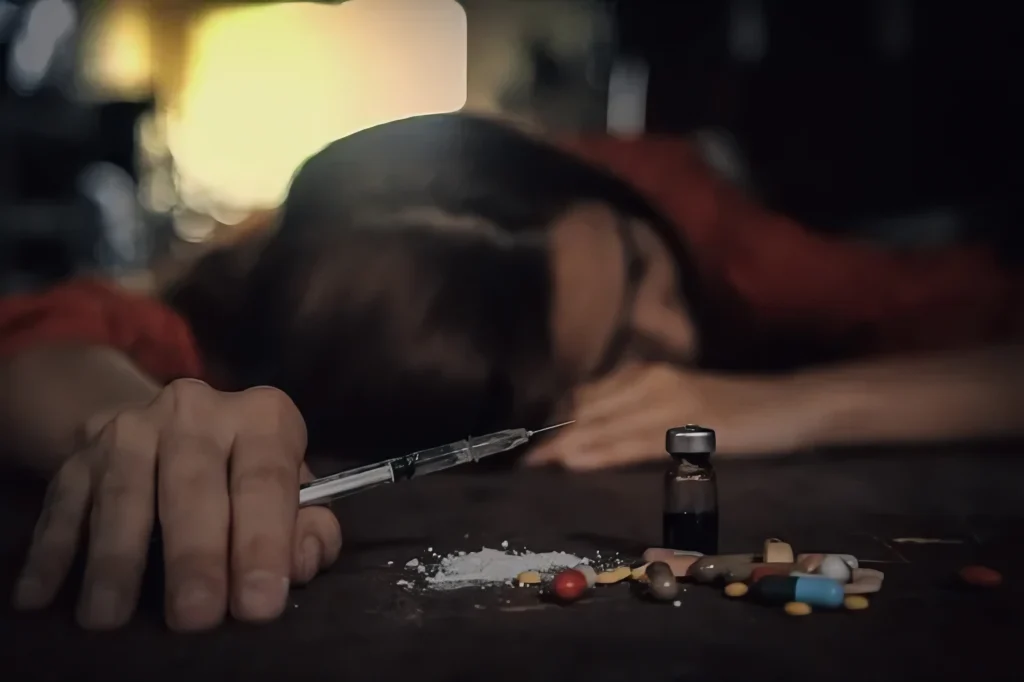
It develops gradually. What begins as occasional use can turn into dependence. What feels manageable can quietly become uncontrollable. Many people do not realize they need help until addiction begins affecting their health, relationships, work, and emotional stability.
Choosing addiction treatment is one of the most important decisions you can make for your health and future.
Dissociation can feel confusing, frightening, and deeply isolating.
Addiction rarely begins with chaos.It begins quietly.