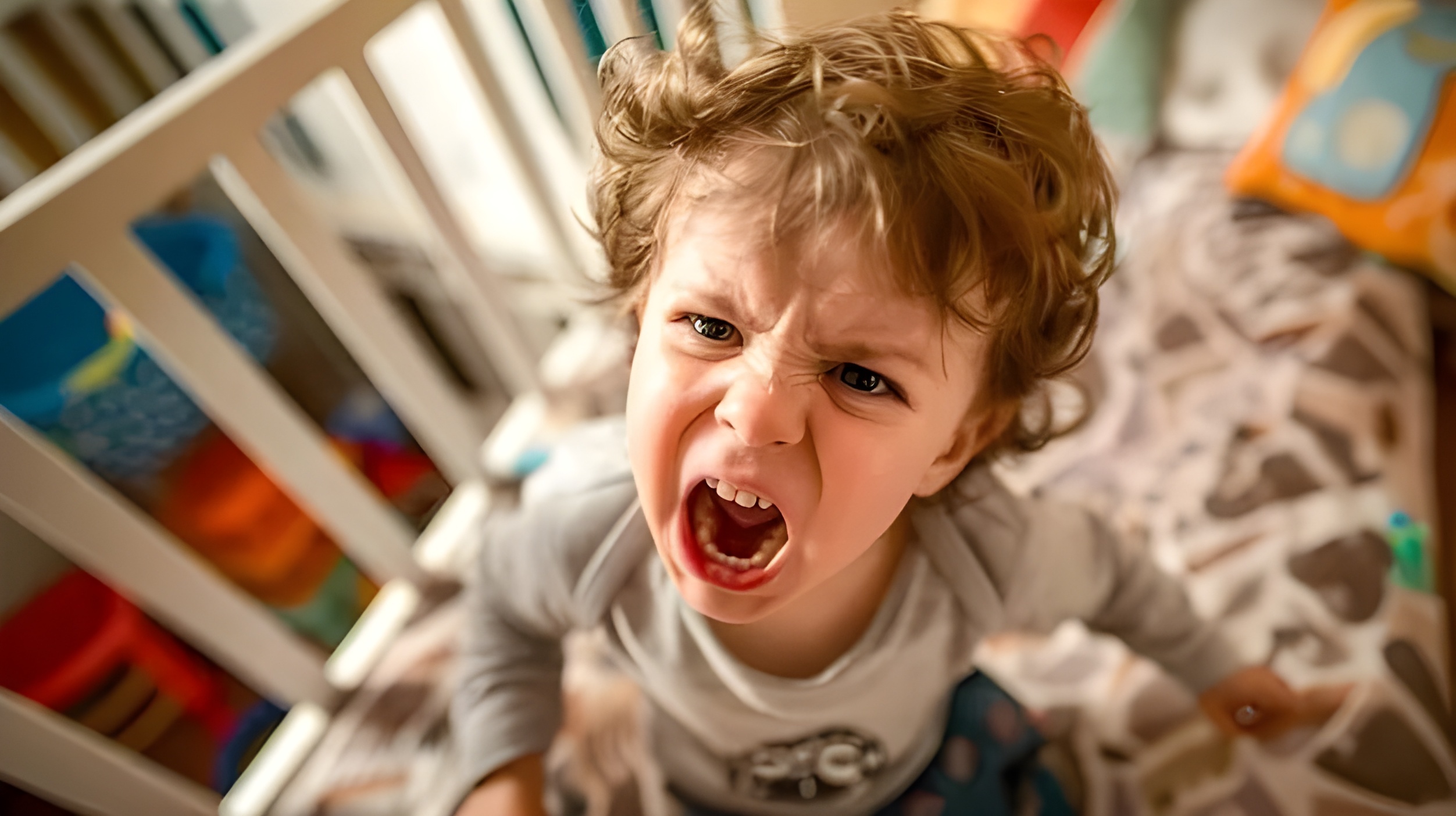
Many parents feel confused and worried when their child seems constantly angry. Frequent outbursts, frustration, irritability, or aggressive behavior can make everyday situations difficult for both children and families.
While occasional anger is a normal part of childhood, persistent anger issues in kids may sometimes signal deeper emotional challenges. In some cases, these behaviors may be linked to emotional disorders in children that affect how they regulate feelings and respond to stress.
Understanding the reasons behind your child’s anger is the first step toward helping them develop healthy emotional regulation and coping skills.
Why Do Some Children Struggle With Anger?
Children experience strong emotions but often lack the tools to manage them effectively. When a child cannot process feelings such as frustration, fear, or disappointment, anger may become the easiest emotion to express.
Several factors can contribute to anger issues in kids, including:
Emotional regulation difficulties
Some children struggle to control or express their emotions in a healthy way. They may react impulsively when they feel overwhelmed.
Stress or anxiety
Children may become irritable when dealing with school pressure, family changes, or social challenges.
Communication difficulties
Young children especially, may feel frustrated when they cannot explain their feelings clearly.
Environmental triggers
Bullying, academic struggles, family conflict, or sudden life changes can increase emotional stress.
Underlying emotional disorders
In some cases, ongoing anger may be linked to emotional disorders in children, which require professional support and guidance.
What Are Emotional Disorders in Children?
Emotional disorders in children affect how a child experiences and expresses emotions. These conditions can impact behavior, relationships, and daily functioning.
Common emotional disorders include:
Anxiety disorders
Children may feel constantly worried, fearful, or overwhelmed, which can lead to irritability and anger.
Depression
Childhood depression may cause sadness, frustration, and emotional withdrawal.
Oppositional Defiant Disorder (ODD)
Children with ODD often display persistent anger, defiance, and hostility toward authority figures.
Mood disorders
Mood-related conditions can cause sudden emotional shifts and intense reactions.
When left untreated, these disorders can affect a child’s academic performance, social development, and overall well-being.
Signs of Emotional Disorders in Children
It can be difficult to distinguish between typical childhood behavior and something more serious. However, some warning signs may suggest your child needs additional support.
Common symptoms include:
- Frequent anger outbursts
- Extreme frustration over small problems
- Aggressive behavior toward others
- Difficulty calming down after being upset
- Trouble following rules or instructions
- Mood swings or irritability
- Social withdrawal or difficulty making friends
- Persistent sadness or anxiety
If these behaviors occur regularly and interfere with daily life, they may indicate emotional regulation challenges or a deeper emotional disorder.
Why Emotional Regulation Is Important for Children
Child emotional regulation refers to the ability to manage feelings in healthy ways. This skill helps children cope with stress, communicate effectively, and build positive relationships.
When children learn emotional regulation, they can:
- Identify their emotions
- Express feelings in healthy ways
- Calm themselves when upset
- Solve problems without aggression
Without these skills, children may rely on anger or frustration to communicate distress.
How Parents Can Help Children Manage Anger
Parents play a crucial role in helping children develop healthy emotional habits. Simple strategies at home can make a significant difference.
Teach emotional awareness
Help your child identify and name their feelings.
Example:
Instead of saying “Stop being angry,” try saying,
“I see you’re feeling frustrated. Let’s talk about it.”
Model calm behavior
Children learn emotional responses by observing adults. Staying calm during conflicts helps them learn self-control.
Create a safe space for emotions
Encourage open communication where children feel comfortable expressing feelings without fear of punishment.
Establish consistent routines
Predictable routines reduce stress and help children feel secure.
Teach calming techniques
Deep breathing, quiet time, or simple mindfulness activities can help children regain control of their emotions.
When Should Parents Seek Professional Help?
While occasional anger is normal, professional support may be necessary if:
- Anger becomes frequent or intense
- Your child hurts others or themselves
- School performance begins to decline
- Social relationships become difficult
Emotional outbursts happen daily
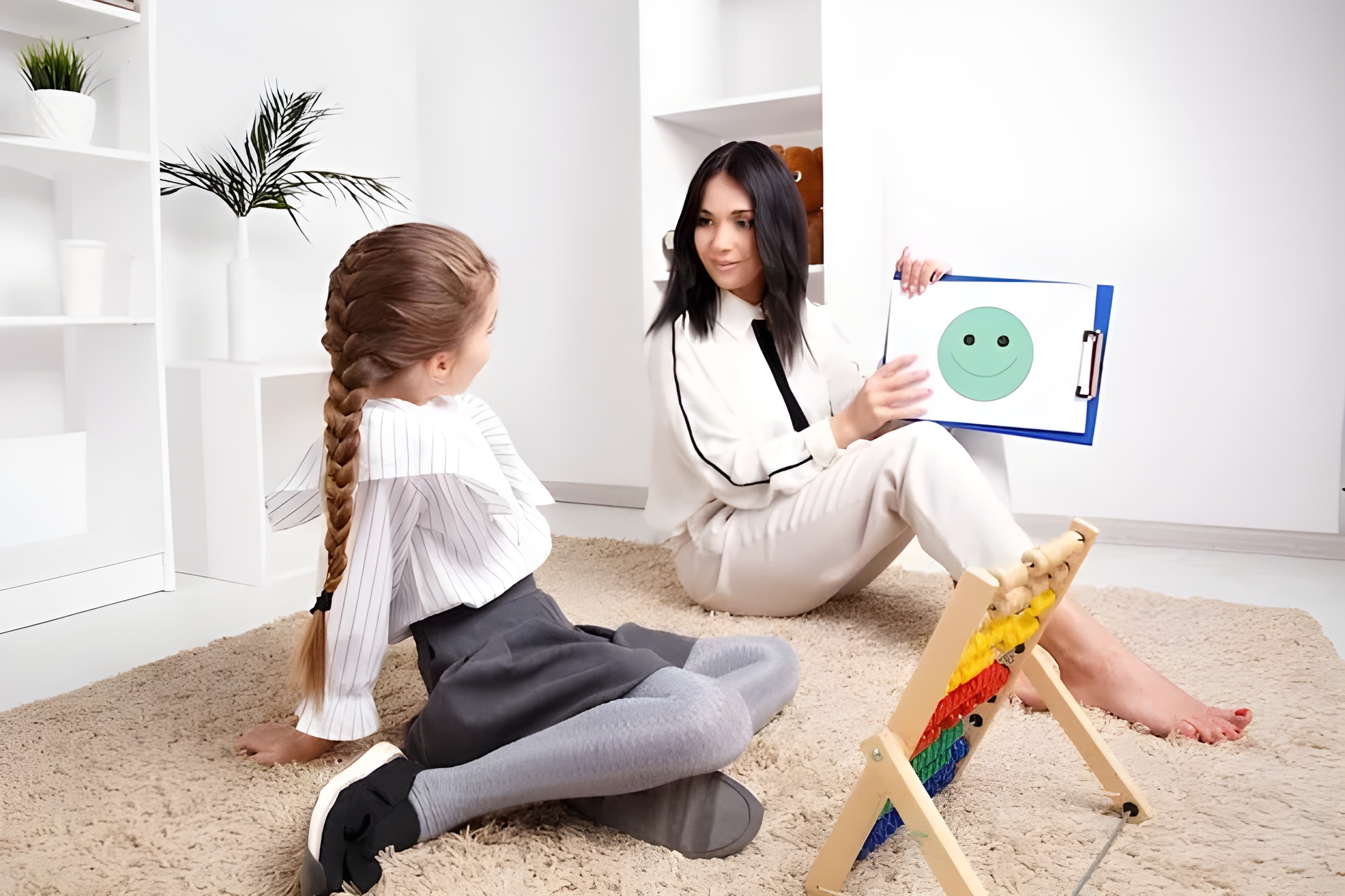
A trained therapist or behavioral specialist can help identify the root causes and guide children toward healthier emotional patterns.
Professional therapy may include:
- behavioral therapy for children
- emotional regulation training
- family counseling
- coping skill development
Early support can significantly improve outcomes and help children build stronger emotional resilience.
Supporting Children With Emotional Challenges
Children experiencing emotional difficulties are not “bad” or “difficult.” They are often struggling to process emotions they do not yet understand.
With the right guidance, support, and professional care, children can learn to regulate emotions, manage anger, and develop healthier ways to express themselves.
Helping children build emotional awareness today can create a stronger foundation for their mental health and well-being in the future.