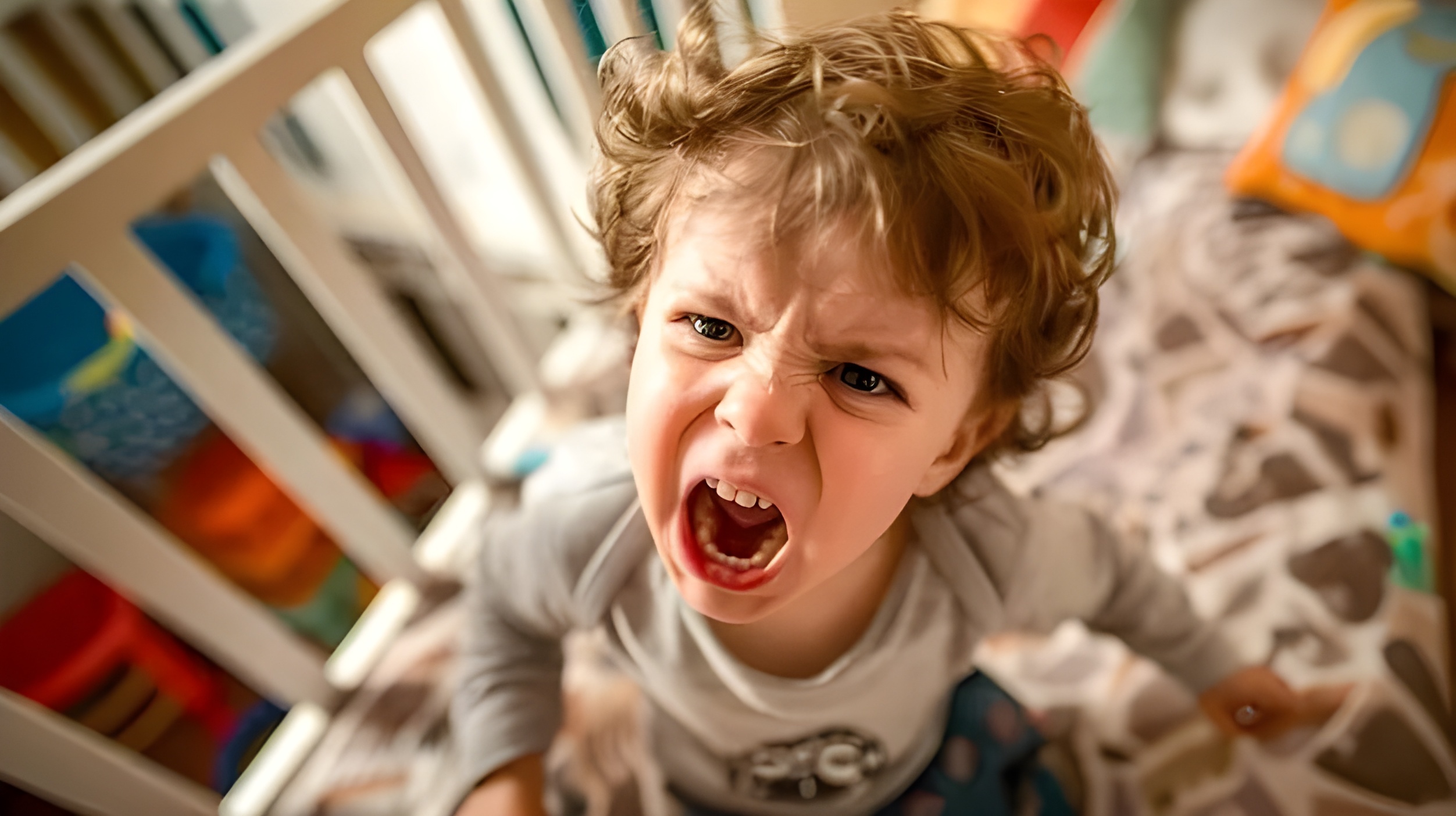
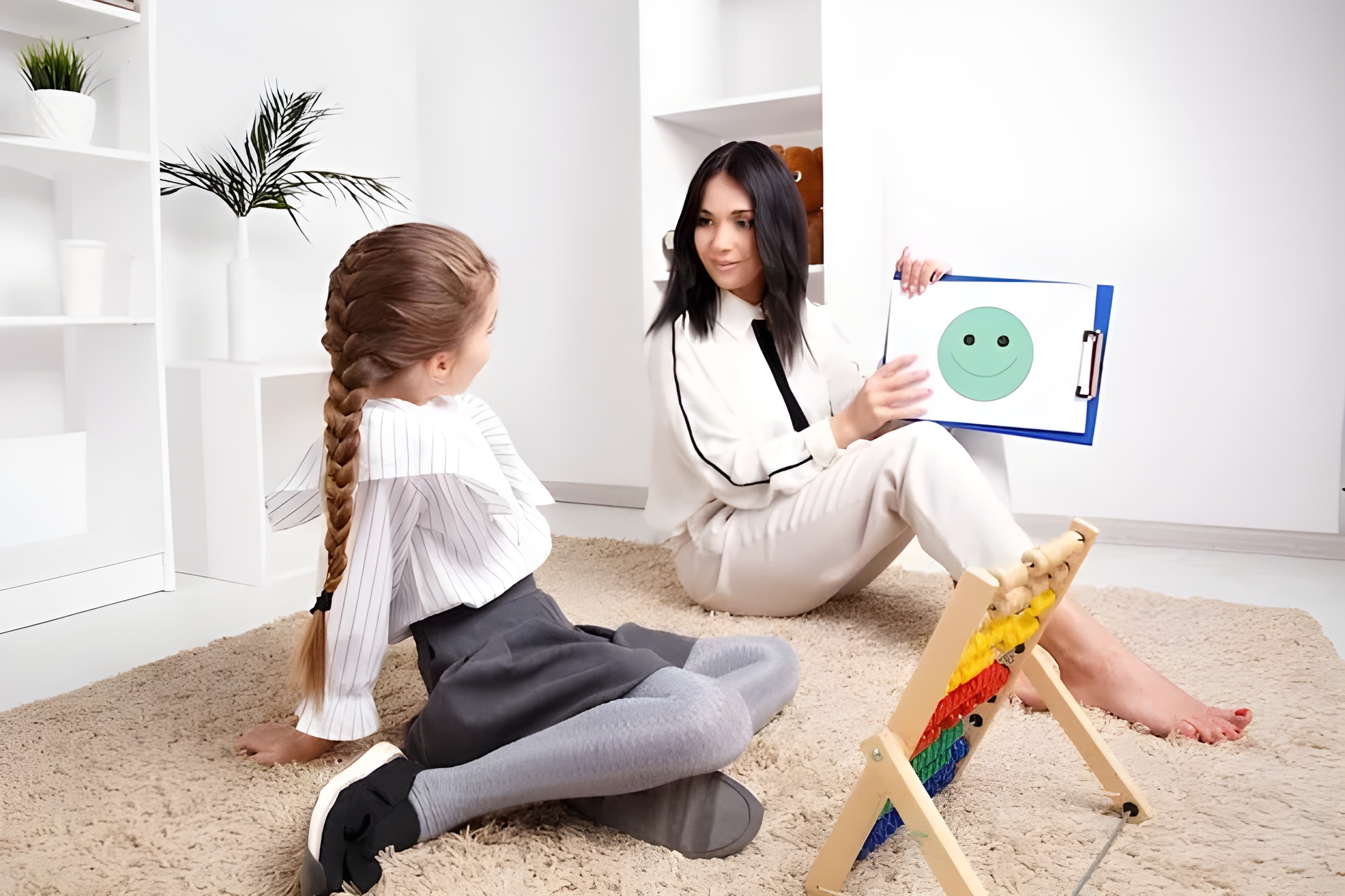
Children experience a wide range of emotions as they grow. While occasional frustration, anger, or anxiety is normal, persistent emotional or behavioral challenges may indicate a deeper issue. Many families seek professional help when their child struggles with anger outbursts, anxiety, defiance, or difficulty managing emotions.
Behavioral therapy for children is one of the most effective approaches used by mental health professionals to help children understand their emotions, develop coping skills, and improve behavior patterns.
Through structured guidance and supportive techniques, child behavioral therapy helps children learn how to respond to challenges in healthier and more constructive ways.
What Is Behavioral Therapy for Children?
Behavioral therapy for children is a type of psychological treatment designed to help children recognize and change negative behavior patterns. The therapy focuses on teaching practical skills that help children regulate emotions, manage stress, and interact positively with others.
Rather than simply addressing symptoms, behavioral therapy works to identify the underlying causes of behavioral and emotional challenges.
This type of therapy is commonly used to treat:
- emotional disorders in children
- anxiety and mood disorders
- anger management issues
- oppositional behavior
- attention difficulties
- social and communication challenges
By focusing on behavior patterns and emotional responses, therapists can help children develop healthier habits that improve their daily functioning.
Common Emotional and Behavioral Disorders in Children
Many children benefit from treatment for emotional disorders in kids when they struggle with persistent emotional or behavioral challenges.
Some of the most common conditions include:
Anxiety Disorders
Oppositional Defiant Disorder (ODD)
Attention-Related Difficulties
Mood Disorders
Persistent sadness, irritability, or emotional instability can indicate mood-related challenges.
Emotional Regulation Disorders
Some children have difficulty managing intense emotions, which may lead to anger outbursts or behavioral issues.
These challenges can affect a child’s academic success, friendships, and overall development if left untreated.
How Behavioral Therapy Helps Children
Child behavioral therapy focuses on teaching practical skills that help children improve emotional control and decision-making.
Below are several ways behavioral therapy supports children.
Teaching Emotional Awareness
Many children struggle to identify or express their feelings. Behavioral therapy helps children recognize emotions such as anger, frustration, sadness, or anxiety.
When children learn to understand their emotions, they become better equipped to respond to them appropriately.
Developing Healthy Coping Skills
Therapists teach children strategies to manage difficult emotions. These techniques may include:
- deep breathing exercises
- problem-solving skills
- relaxation techniques
- positive self-talk
- mindfulness activities
These tools help children respond to stressful situations without becoming overwhelmed.
Improving Behavior Patterns
Behavioral therapy helps children replace negative behaviors with positive alternatives.
For example:
Instead of reacting with aggression or frustration, children learn to communicate their needs calmly and respectfully.
Over time, these new habits improve relationships with family members, teachers, and peers.
Strengthening Parent-Child Relationships
Behavioral therapy often involves parents as part of the treatment process.
Parents learn effective techniques to:
- Reinforce positive behavior
- set clear boundaries
- Respond calmly to challenging situations
- support emotional growth at home
This collaborative approach ensures children receive consistent guidance both in therapy and in their everyday environment.
Benefits of Behavioral Therapy for Children
Many families see meaningful improvements when children receive professional behavioral therapy.
Some benefits include:
- improved emotional regulation
- reduced anger and frustration
- better communication skills
- improved academic performance
- stronger relationships with family and peers
- increased confidence and self-control
Early intervention can significantly improve a child’s emotional development and long-term well-being.
When Should Parents Consider Behavioral Therapy?
Parents may consider behavioral therapy for children if they notice ongoing challenges such as:
- frequent anger outbursts
- extreme mood swings
- defiant behavior
- difficulty following rules
- persistent anxiety or sadness
- trouble interacting with other children
If these behaviors interfere with daily life, school performance, or family relationships, professional therapy can provide valuable support.
Early treatment helps children develop healthier emotional responses and coping strategies.
Supporting Children Through Emotional Challenges
Children facing emotional or behavioral challenges often need guidance rather than discipline alone. Professional therapy can help them understand their emotions, build resilience, and learn healthy ways to express themselves.
With the right support system, children can develop stronger emotional regulation skills, improve behavior patterns, and gain the confidence needed to navigate life’s challenges successfully.
If your child is experiencing emotional difficulties or behavioral struggles, seeking professional help can be an important step toward long-term emotional wellness.